Connecting technology, education and patient care
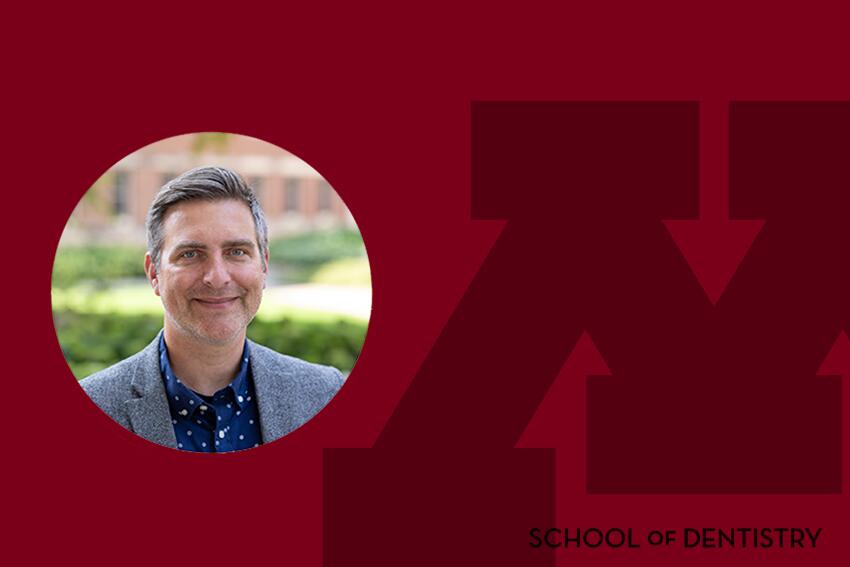
As technology continues to change, the University of Minnesota School of Dentistry is embracing new digital tools that improve patient care, strengthen education and prepare students for the future of the profession. Through the implementation of Pearl AI, Primescan and Doximity, the school is creating a more connected and modern dental experience for patients, students, faculty and staff.
For Paul Andersen, IT Director at the School of Dentistry, these innovations are part of a larger shift happening across dental medicine. “Digital transformation in dental medicine is accelerating, and we must ensure our infrastructure matches modern clinical standards,” Andersen said. “With major clinical shifts, we need scalable, student and faculty focused tools that enhance patient care and the provider experience.”
Behind every new technology is the School of Dentistry’s Dental IT team, which manages electronic health records, imaging systems, security and technology projects. According to Andersen, implementing platforms like Pearl AI, Primescan and Doximity requires extensive work behind the scenes to ensure that each tool integrates safely and effectively into existing clinical systems.
“Our goal is to keep our technology reliable, secure and intuitive so our faculty, students and clinic staff can focus entirely on what they do best: providing exceptional patient care and dental education,” Andersen shared.
One of the newest technologies coming to the School of Dentistry is Pearl AI, an artificial intelligence platform expected to launch in August 2026. Designed to be a second opinion, Pearl AI helps student and faculty clinicians interpret radiographs by identifying areas that may require attention, such as cavities and existing restorations.
The platform transforms traditional grayscale X-rays into color-coded images that make it easier for patients to understand their oral health and participate in conversations about their treatment. Pearl AI also supports student learning by creating a more consistent approach to radiographic interpretation and helping identify technical imaging errors.
While artificial intelligence is becoming more common in health care, Andersen emphasizes that patient safety and human expertise remain the priority. “Pearl AI functions strictly as a clinical decision support tool and provider calibration aid,” Andersen stated. “The AI layer acts as a second opinion, meaning it assists, but never replaces, the expert diagnostic judgment of our licensed faculty and student clinicians.”
The school is also expanding the use of Primescan, an intraoral scanner that creates fast and accurate 3D digital impressions of a patient’s mouth. Students first learn the technology in preclinical courses and are now using it in predoctoral clinics, allowing them to experience digital workflows that are increasingly common in modern dental practice.
Compared with traditional impressions, Primescan offers a faster and more comfortable experience. The technology also connects directly with the Digital Dentistry Exchange, allowing secure communication with internal and external dental laboratories and reducing the time needed for restorations.
Communication between patients and providers is also becoming easier through Doximity, a secure telehealth platform that allows clinicians to communicate with patients through voice calls, video visits and text messages while protecting their personal phone numbers.
Doximity also helps improve access to care for patients with different language needs. Because the platform is compatible with Language Line, providers can quickly add a qualified medical interpreter to a live call, allowing patients to discuss treatment plans, diagnoses and care instructions in their preferred language.
Beyond improving today’s patient experience, these technologies are helping prepare students for the future of dentistry. “Modern dental practices are adopting digital solutions, and our students must be practice-ready on day one,” Andersen shared. “By diagnosing with Pearl AI, utilizing advanced intraoral scanners like Primescan and managing telehealth through Doximity, our students learn the technical, digital and communication skills defining contemporary dental environments.”
For Andersen, these initiatives represent the beginning of the School of Dentistry’s broader technological evolution. The school is continuing to explore new opportunities in artificial intelligence and digital tools, including the creation of a Generative AI Working Group and the launch of a new patient portal. “The future of dental education is interconnected, digital and data-driven, and the School of Dentistry is fully equipped to lead that charge,” he concluded.
Andersen's leadership and hard work is being recognized beyond the school as well. In August, Andersen was announced as Interim Senior Director - IT Leads, heading the virtual teams program for the University-wide Office of Information Technology. In this role, Andersen will explore ways of building IT's capacity, expanding cross-unit capacity and fostering skill-building for staff throughout the system.